

.jpeg)

Standing out on eBay is more challenging than ever. With millions of sellers competing for attention, simply listing a product is not enough. To truly scale your business, you need a powerful strategy to reach more buyers. The platform’s advertising tools are designed to give your products the visibility they need to thrive.
This guide is your roadmap to mastering eBay advertising. We will explore every facet of the system, from the different ad types to advanced campaign optimization. You will learn how to set up your first campaign, choose the right ad rate, and measure your success.
Key Takeaways:
- eBay offers several ad types, but Promoted Listings (Standard and Advanced) are the most critical tools for increasing sales and visibility.
- Promoted Listings Standard is a cost-per-sale model, making it a low-risk option where you only pay when an item sells via an ad click.
- Promoted Listings Advanced is a cost-per-click (PPC) model that offers granular control over keywords and bidding, ideal for competitive categories.
- Optimizing your listings with high-quality photos, competitive pricing, and detailed item specifics is essential for ad success.
- True growth comes from integrating eBay Ads data with your other marketing channels for a complete view of performance and ROI.
Understanding the eBay Ads Ecosystem
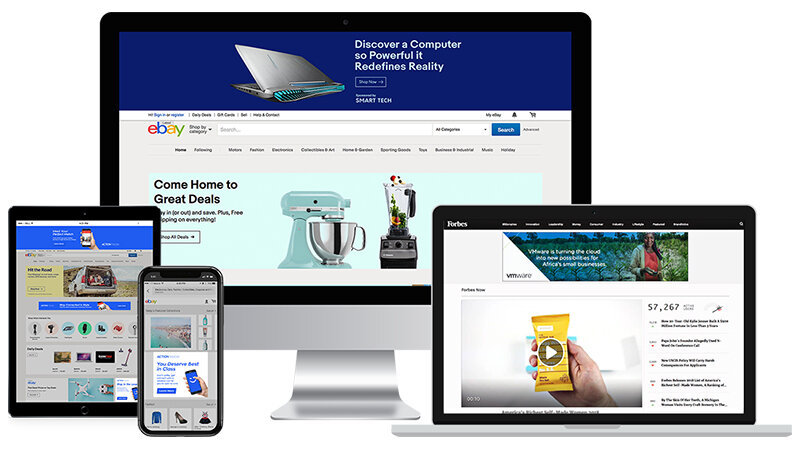
The eBay advertising platform is a suite of tools that helps sellers promote their products across the eBay network and beyond.
The core purpose of eBay Ads is to drive traffic and boost sales. By increasing your listing visibility, you attract more potential customers. More clicks can lead to more sales, which in turn can improve your organic search ranking.
Why eBay Advertising is Crucial for Sellers
eBay is a high-intent marketplace with massive daily demand. The platform drives 18–21 million daily visits, with around 80% from the U.S. and 46% coming from mobile devices. These visits translate into access to 134 million active buyers competing across a marketplace of 18.3 million sellers.
In this environment, organic visibility alone is rarely enough.
Here’s why eBay advertising matters:
- Cut through marketplace saturation: Promoted Listings place products in premium inventory, including top search placements and high-visibility browse locations. This directly increases exposure in competitive categories where organic rankings fluctuate.
- Reach buyers with immediate purchase intent: eBay users are not browsing casually. Most sessions start with product searches or category exploration tied to near-term buying decisions. Advertising captures demand at the moment of intent, not discovery.
- Control visibility beyond the algorithm: Relying solely on organic ranking leaves sellers exposed to pricing pressure and algorithm changes. Advertising provides a predictable lever to increase impressions and stabilize traffic for priority SKUs.
- Performance-based cost structure.: With formats like Promoted Listings Standard, sellers pay only when an ad results in a sale. This aligns spend with outcomes and limits downside risk, especially for margin-sensitive products.
- Access actionable performance data: eBay’s advertising reports surface impressions, clicks, attributed sales, and ad-driven revenue. This data helps sellers identify which products benefit from paid visibility and where incremental spend delivers real lift.
The Full Spectrum of eBay Ad Types
eBay provides sellers with a diverse toolkit for promotion. While Promoted Listings are the most common, understanding all the options allows you to build a more comprehensive marketing plan.
Each ad type serves a different purpose and caters to different business needs.
1. Promoted Listings
This is the cornerstone of eBay advertising and the primary focus for most sellers.
Promoted Listings increase a product's visibility by showcasing it in prominent places across the eBay network. This includes search results, product pages, and even the eBay homepage. There are three main flavors of Promoted Listings.
Promoted Listings Standard (PLS)
This is the most popular and accessible option. It operates on a cost-per-sale (CPS) model. You choose an "ad rate," which is a percentage of the item's final sale price.
You only pay this fee if a buyer clicks your promoted listing and purchases it within 30 days. It's a low-risk way to advertise because you're not paying for clicks that don't convert.
Promoted Listings Advanced (PLA)
This is a traditional pay-per-click (PPC) model, similar to Google Ads. You bid on keywords to get your listing in the top slot of search results.
You pay every time a buyer clicks your ad, regardless of whether they make a purchase. This option offers maximum control but requires more active management and budget oversight.
Promoted Listings Express
This ad type is specifically for auction-style listings. For a one-time flat fee, you can promote your auction to increase its visibility in the eBay app on similar listings' pages. It's a simple way to get more eyes and potentially more bids on your auctions.
2. Display Ads
Similar to display advertising on other websites, these are banner ads that appear on various eBay pages.
This option is typically reserved for large brands and enterprise-level sellers. It’s managed through direct contact with eBay’s advertising team. Display Ads are excellent for building brand awareness and targeting audiences based on their browsing behavior and interests.
3. Classified Ads
For certain categories like cars, boats, and real estate, sellers can use Classified Ads. These function like traditional classifieds. You pay a flat listing fee for a set duration (e.g., 30 days). The transaction happens outside of eBay's checkout system, and there are no final value fees. This format is ideal for high-value items or services that require offline interaction.
Promoted Listings Standard vs. Advanced: A Detailed Comparison
Choosing between Promoted Listings Standard (PLS) and Advanced (PLA) is a critical decision.
PLS is about broad, low-risk visibility, while PLA is about precise, competitive targeting. Understanding the nuances will help you allocate your ad spend effectively.
| Aspect | Promoted Listings Standard (PLS) | Promoted Listings Advanced (PLA) |
|---|---|---|
| Cost Model | Cost-Per-Sale (CPS) – Pay a % of the sale price. | Cost-Per-Click (PPC) – Pay for each click. |
| Risk Level | Low. You only pay if the item sells from an ad click. | Higher. You pay for all clicks, even if they don't convert. |
| Placement Control | Limited. eBay's algorithm decides where to show your ad across its network. | High. You bid specifically for the top slot in search results. |
| Targeting | Listing-based. eBay targets buyers based on your listing content. | Keyword-based. You choose the exact search terms to target. |
| Management Effort | Low. "Set it and forget it" is a viable strategy. | High. Requires active keyword management and bid adjustments. |
| Best For | Sellers wanting to boost visibility across many listings with minimal risk. | Sellers in competitive niches who need top placement for specific keywords. |
| Key Metric | ACoS (Advertising Cost of Sale) | CTR (Click-Through Rate) and CPC (Cost-Per-Click) |
| Budgeting | Based on a percentage ad rate. No daily budget needed. | Requires a daily budget to control spend. |
How to Set Up Your First eBay Advertising Campaign (Step-by-Step)
Launching an eBay ad campaign is straightforward through the Seller Hub. Using campaigns is essential for organization and performance tracking. It allows you to group similar listings, apply consistent settings, and analyze results effectively.
- Navigate to the advertising dashboard: Log in to your eBay account and go to the Seller Hub. Click on the "Marketing" tab, then select "Advertising dashboard."
- Create a new campaign: Click the prominent "Create new campaign" button. You will be prompted to choose between Promoted Listings Standard and Advanced. For your first campaign, Standard is often the safer choice.
- Select your campaign type:
- Simple Campaign: eBay automatically promotes your chosen listings using its suggested ad rate. This is the fastest method.
- Automated Campaign: You set rules and filters (e.g., by category or price). eBay automatically adds or removes listings that match your criteria.
- Add listings to your campaign: You can select listings individually or in bulk. If using an automated campaign, you'll define your rules here. For example, you could create a rule to promote all listings in the "Men's Shoes" category priced over $50.
- Set your ad rate (for Standard): This is the crucial step for PLS. eBay will suggest an ad rate based on what other sellers in your category are bidding. You can accept this rate or set your own. A higher rate increases your chances of being shown. Start with the suggested rate and adjust later based on performance.
- Name and launch your campaign: Give your campaign a descriptive name (e.g., "Q4 Sneaker Promotion"). This is vital for tracking. Review your settings one last time and click "Launch."
Your campaign is now live! It may take a few hours for data to start appearing on your dashboard.
Advanced Campaign Management & Optimization Strategies
Launching a campaign is just the beginning. The key to maximizing your return on investment is continuous optimization. This involves monitoring your performance, making data-driven adjustments, and testing new approaches.
Analyzing Your Advertising Dashboard
Your advertising dashboard is your command center. Regularly check these key metrics:
- Impressions: The number of times your promoted listing was shown.
- Clicks: The number of times users clicked on your ad.
- Click-Through Rate (CTR): Clicks divided by Impressions. A high CTR means your listing is compelling.
- Sold: The number of items sold within 30 days of a click on your ad.
- Ad Fees: The total amount you have paid for your ads.
- Sales: The total revenue generated from promoted listing sales.
- ACoS (Advertising Cost of Sale): Ad Fees divided by Sales. This shows how much you spend on advertising to generate $1 in revenue. A lower ACoS is better.
Strategies for Promoted Listings Standard Optimization
For PLS, your main lever is the ad rate.
If a campaign is performing well with a high sell-through rate, consider slightly increasing the ad rate to get even more impressions.
If a campaign has low impressions, your ad rate might be too low to compete.
If you have high clicks but low sales, the issue might be your listing itself (e.g., price, photos) rather than the ad.
Strategies for Promoted Listings Advanced Optimization
PLA requires more hands-on work.
Focus on keyword management. Use the search query report to see what terms buyers are actually using to find your items. Add high-performing search terms as exact match keywords. Add irrelevant terms to your negative keyword list to stop wasting money on unqualified clicks.
Constantly monitor your keyword bids. If you are not getting the top spot, you may need to increase your bid. If your cost-per-click is too high, you might lower it and accept a lower position.
Ultimately, understanding which clicks lead to conversions requires a robust analytics setup. Evaluating different marketing attribution models can help you see beyond the last click and understand the full impact of your eBay campaigns.
Optimizing Your Listings for Maximum Ad Performance
Your eBay ads can only be as effective as the listings they point to. An ad can bring a horse to water, but it can’t make it drink. If a buyer clicks your ad and lands on a poor-quality listing, they will leave without buying. This wastes your ad spend and hurts your conversion rate.
1. Master Your Product Titles
The title is the most important piece of SEO real estate. It must be packed with relevant keywords that buyers are searching for. Include the brand, model name/number, size, color, and condition.
Think like a buyer. What words would you type into the search bar? Avoid fluff words like "stunning" or "great deal."
2. Use High-Definition Photos
Photos sell products. Use a clean, white background and show the item from multiple angles. Take high-resolution photos that allow buyers to zoom in and see details. For used items, be sure to photograph any flaws or defects. This builds trust and reduces returns.
3. Complete All Item Specifics
Item specifics are the filters buyers use to narrow down search results. The more specifics you fill out, the more chances your listing has to appear in a filtered search. This is crucial for both organic and paid visibility. Fill out every single relevant field eBay provides.
4. Write Compelling Descriptions
Use the description to expand on the title and specifics. Write clear, concise sentences. Use bullet points to highlight key features and benefits.
Reiterate important details like measurements, condition, and what’s included. A well-written description can answer a buyer's questions before they even ask.
5. Price Competitively
Even the best ad campaign can't sell an overpriced item. Research your competitors. See what similar items have sold for using eBay's completed listings filter. Price your item competitively to attract buyers and win the sale. Remember to factor in your ad fees when setting your price.
Measuring Success: Key eBay Ads Metrics & KPIs
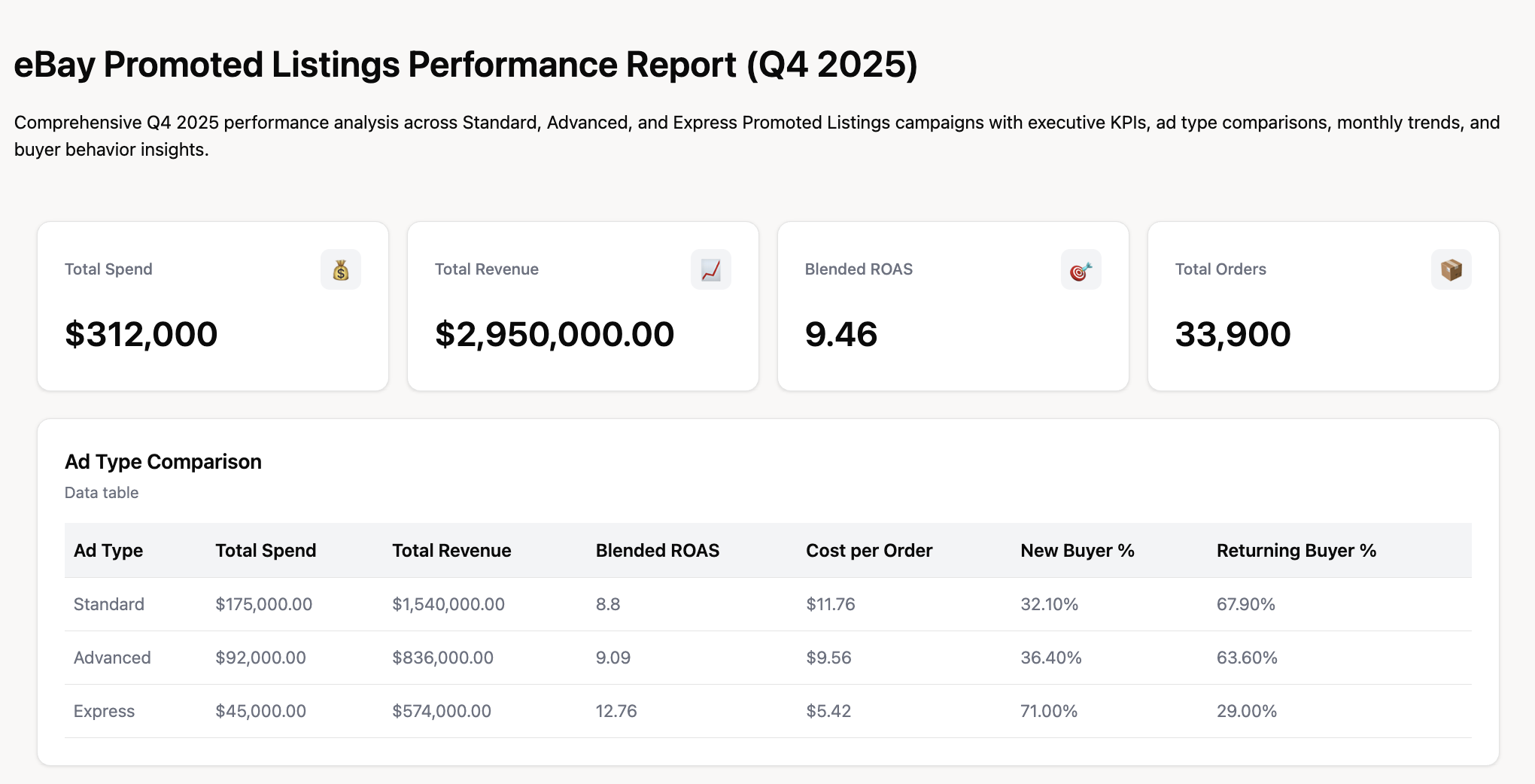
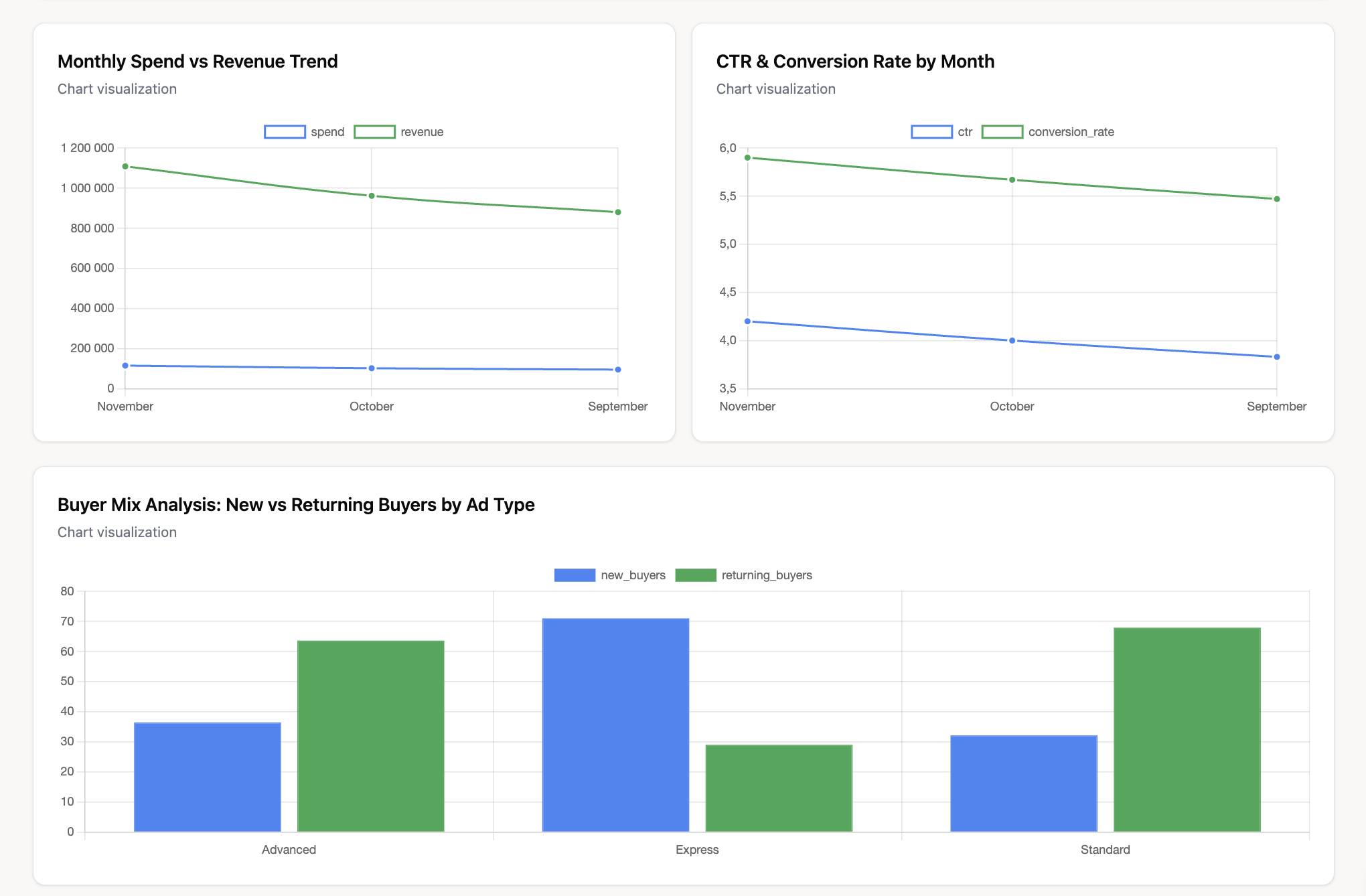
To know if your eBay advertising is working, you must track the right metrics. Simply looking at sales is not enough. A profitable campaign requires a deep understanding of your costs and returns. This data-driven approach allows you to scale what works and cut what doesn’t.
Core Metrics for Every Seller
- Impressions: The foundation of visibility. If this number is low, your ad rate or bid is likely too low.
- Click-Through Rate (CTR): The percentage of impressions that turn into clicks. A low CTR suggests your main photo or title isn't grabbing attention.
- Conversion Rate: The percentage of clicks that result in a sale. A low conversion rate often points to issues with your listing page, such as price or shipping costs.
- Advertising Cost of Sale (ACoS): (Ad Fees / Ad Sales) x 100. This is your efficiency metric. For example, an ACoS of 10% means you spent $10 on ads for every $100 in sales.
- Return on Ad Spend (ROAS): Ad Sales / Ad Fees. This is the inverse of ACoS. A ROAS of 10 means you earned $10 for every $1 spent on ads.
Beyond the Dashboard: Holistic Performance Tracking
Your eBay dashboard is a strong starting point, but it only shows part of the picture. Most sellers invest across multiple channels, such as Google Shopping, Meta, and Amazon Ads. When each platform is analyzed in isolation, it becomes difficult to understand true performance or make confident budget decisions.
This is where data integration platforms like Improvado come into play. Improvado aggregates advertising, ecommerce, and revenue data from all channels into a single source of truth. It standardizes metrics, aligns naming conventions, and refreshes data automatically, so performance can be compared accurately across platforms.
With a unified dataset, sellers can evaluate eBay metrics such as ACoS, attributed revenue, and conversion rate alongside Google Ads ROAS, Meta CPA, and overall ecommerce revenue. These insights can be surfaced in BI tools or native dashboards, making cross-channel analysis straightforward and reliable.
This holistic view enables smarter budget allocation. Instead of optimizing each channel in isolation, sellers can shift spend toward the platforms and campaigns that drive the highest incremental value. The result is better efficiency, clearer ROI measurement, and a marketing strategy that supports scalable growth rather than reactive spending.
Budgeting for eBay Ads: How Much Should You Spend?
One of the most common questions from sellers is, "How much should I spend on eBay ads?" There is no one-size-fits-all answer. Your budget depends on your profit margins, business goals, and the competitiveness of your category. However, there are smart strategies to determine your ideal ad spend.
Calculating Your Target ACoS
Before you even set an ad rate, you need to know your numbers. The most important figure is your target ACoS. This is the maximum ACoS you can have while still being profitable.
Here’s a simple formula:
Target ACoS = Pre-Ad Profit Margin %
For example, if you sell a shirt for $40, your cost of goods is $15, and eBay fees are $5, your pre-ad profit is $20. Your pre-ad profit margin is ($20 / $40) = 50%. This means you can spend up to 50% on ACoS and still break even. A healthy ACoS would be significantly lower, perhaps 15-25%, to ensure strong profitability.
Setting an Ad Rate for Promoted Listings Standard
Your ad rate directly impacts your ACoS. For PLS, the ad rate you set is essentially your desired ACoS. Start by looking at eBay’s "suggested ad rate." This is a good benchmark.
If your target ACoS is 20%, and the suggested rate is 8%, you have plenty of room to be competitive. Don’t be afraid to start with the suggested rate and adjust based on performance.
Setting a Daily Budget for Promoted Listings Advanced
For PLA, you must set a daily budget to control your PPC spend. A good starting point is $10-$20 per day per campaign. Let it run for a week to gather data.
After a week, analyze your results. Are you getting clicks? Are they converting? If the campaign is profitable, you can slowly increase the daily budget. If it's losing money, you need to optimize your keywords and bids before scaling.
Automating the flow of this spend and performance data is critical. A well-structured marketing data pipeline ensures that information from eBay Ads is consistently and accurately fed into your central analytics system, preventing costly budget errors.
Common eBay Ads Mistakes to Avoid
Many sellers make preventable mistakes that waste money and limit their growth. By being aware of these common pitfalls, you can create more effective and profitable campaigns.
1. Setting and Forgetting Campaigns
The biggest mistake is launching a campaign and never looking at it again. The eBay marketplace is dynamic. Competitors change their prices, and trends shift. You must review your campaign performance at least once a week to make necessary adjustments to ad rates, bids, and budgets.
2. Promoting Poor-Quality Listings
As discussed earlier, advertising a bad listing is like pouring water into a leaky bucket. You will get clicks but no sales. Before you spend a single dollar on ads, ensure your listings are fully optimized with great photos, titles, and item specifics.
3. Ignoring Suggested Ad Rates
While you don't have to accept eBay's suggested ad rate, you should not ignore it. It provides valuable insight into how competitive your category is. If you set your rate far below the suggestion, you will likely get very few impressions.
4. Using Only Broad Match Keywords (in PLA)
In Promoted Listings Advanced, using only broad match keywords can drain your budget quickly on irrelevant clicks. Use a mix of broad, phrase, and exact match keywords for better control. Most importantly, build a robust negative keyword list.
5. Not Tracking Profitability
Getting more sales feels good, but not all sales are created equal. If your ad costs are eating up all your profit, the campaign is a failure. Always track your ACoS and ROAS to ensure your advertising efforts are actually making you money. This often requires a dedicated reporting automation solution to avoid tedious manual calculations.
Beyond eBay: Offsite Ads and External Promotions
A significant benefit of using Promoted Listings Standard and Advanced is the potential for offsite visibility. eBay doesn't just promote your listings on its own website. It also partners with search engines and other platforms to showcase your products across the web.
How External Promotions Work
When you opt into an eBay advertising campaign, you give eBay permission to promote your listings on external sites. The most prominent partner is Google Shopping. Your promoted listing can appear in Google's search results, driving external traffic directly to your eBay page. This extends your reach far beyond the eBay marketplace at no extra cost beyond your standard ad fee.
Can You Control Offsite Placements?
Sellers do not have direct control over which listings appear on Google Shopping or where they are shown. eBay's algorithm makes these decisions based on a variety of factors, including your ad rate, listing quality, and the relevance of your product to the user's search query.
A higher Promoted Listings Standard ad rate can increase the likelihood that eBay will fund an external ad for your item, as it gives them a larger margin to work with.
Conclusion
eBay Ads are a powerful way to compete in a crowded marketplace. They give sellers direct access to high-intent buyers and premium placements at the moment of purchase. But as campaigns scale, native eBay reporting quickly becomes limiting. It shows what happened on eBay, not how those results compare to other channels or contribute to overall growth. Without broader visibility, optimization decisions stay reactive.
Improvado helps sellers move beyond siloed reporting. It centralizes eBay Ads data with Google, Meta, Amazon, and ecommerce revenue sources, then standardizes and governs the data for analysis. This makes it possible to measure true ROI, compare performance across channels, and allocate budget based on incremental impact.
If you want clearer insights and more control over your eBay advertising performance, get your demo of Improvado.